Office space junk removal helps businesses clear unwanted desks, chairs, cubicles, electronics, and other items. A clear plan sorts items for reuse, donation, recycling, or disposal, then sets a safe path and work time. This helps keep work areas organized and reduces last-minute problems for staff and property managers in Conroe.
An office cleanout can mean more than moving a few chairs. A business may need to clear shared offices, storage rooms, meeting spaces, or a full floor. A move may leave desks behind, while a renovation can add boxes, fixtures, and damaged furniture. Planning early helps staff decide what stays and what goes.
Table of Contents
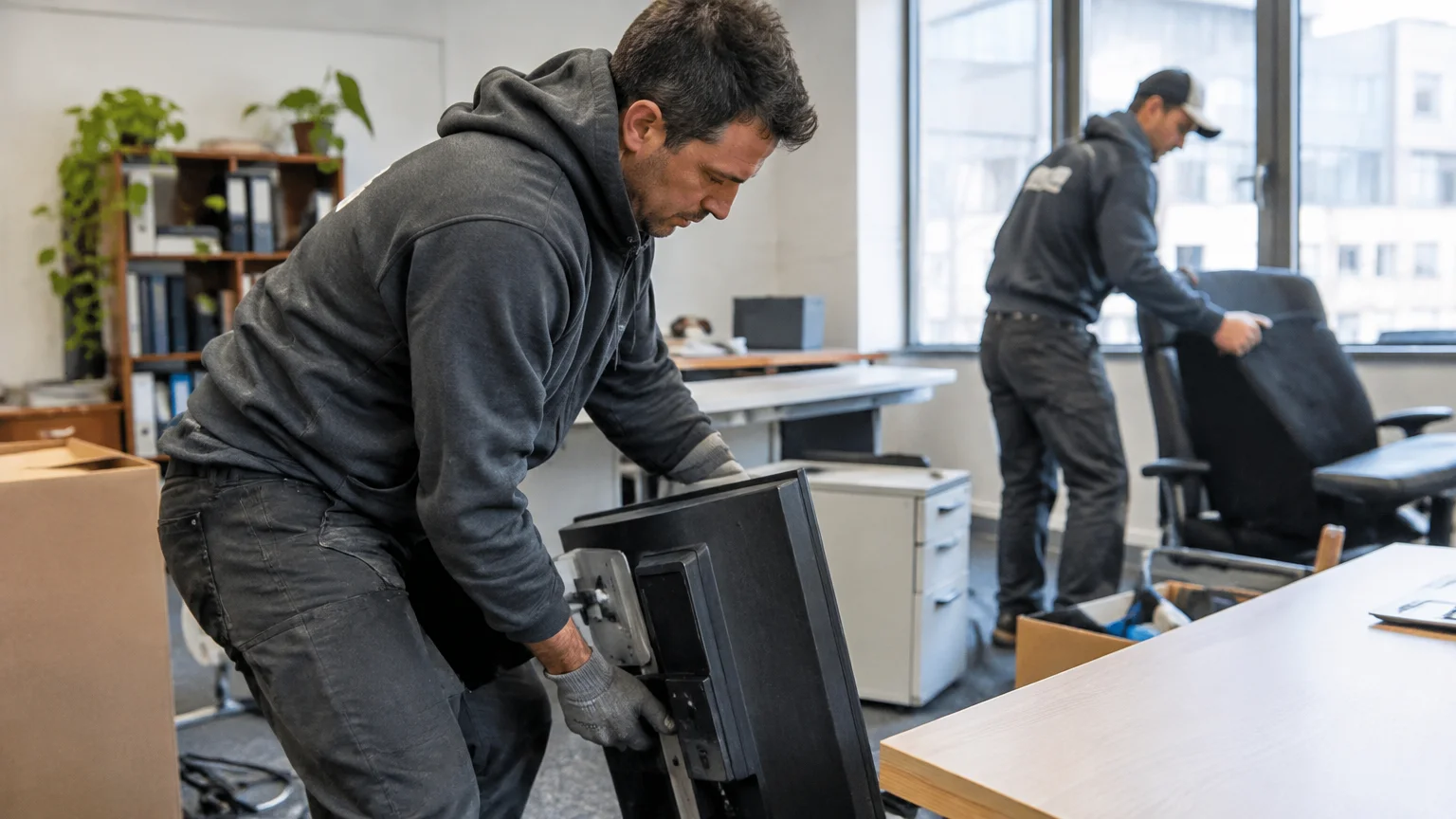
- What does office space junk removal include?
- When should a business arrange an office cleanout?
- How should you prepare an office for junk removal?
- How are office furniture and electronics handled?
- What shapes the scope of an office cleanout?
- How can you minimize disruption during an office cleanout?
- How do you choose a commercial junk removal provider?
- Frequently Asked Questions
- Key takeaways
- Conclusion
What does office space junk removal include?
Office space junk removal may include unwanted furniture, cubicles, electronics, and general office debris. The work depends on what needs to go and how the items can be reached. A clear list helps the business and removal provider agree on the job before work starts.
Furniture, cubicles, and fixtures
Office furniture can include desks, chairs, filing cabinets, tables, shelves, and storage units. A cleanout may also cover cubicle panels, reception counters, whiteboards, and some built-in fixtures. Point out anything that must stay, especially items that look like those being removed.
Large items may need to be taken apart before they fit through a doorway or elevator. Tell the crew about narrow halls, stairs, loading areas, and tight doors. This helps them plan a safe route and avoid blocking shared spaces in Conroe buildings.
Electronics and general office debris
Old computers, printers, monitors, phones, cables, and small appliances may be part of a cleanout. Boxes, damaged chairs, unwanted supplies, and other loose items can also be included when they are on the agreed list. Set aside personal items, records, and anything that needs special care.
Not every item belongs in the same waste stream. A waste stream is the route used to handle a type of item. Some electronics may be accepted for recycling, while other goods may need a different path. Ask how each item will be handled instead of assuming everything goes together. A short item list can prevent confusion on removal day.
When should a business arrange an office cleanout?
A business should plan a cleanout when it moves, renovates, changes a lease, reduces space, or closes an office. It may also help when storage rooms fill up or unused furniture gets in the way. Starting early gives staff time to sort items and plan access.
Relocations, renovations, and lease changes
Moving to a new office is a good time to review what should go along. A business can remove damaged furniture, old equipment, and items that do not fit the next space. This can make packing easier and help prevent unwanted things from being left behind.
Renovation work may require clearing one room at a time. A property manager may also need a space empty before a new tenant arrives. In both cases, match the cleanout plan to the building schedule, loading rules, and work areas. Check the lease to see what it says about items left in the space.
Downsizing, closures, and ongoing space management
A smaller team may not need every desk or storage cabinet. Closing a business can involve more items and choices, including who owns furniture, equipment, and records. The person leading the cleanout should check with the right staff before anything leaves.
Regular space reviews can help businesses find unused items before they become a larger job. This does not mean every business needs a fixed cleanout schedule. Staff can flag things after a move, team change, or office update. Conroe TX Junk Removal can help local businesses plan removal around their space and ongoing work.
How should you prepare an office for junk removal?
Prepare by choosing what will go, protecting items that must stay, and planning how the crew will enter and leave. Share the item list and building rules ahead of time. Good planning can reduce delays and help protect staff, visitors, and property.
Sort items for removal, reuse, or donation
A simple sorting plan gives staff clear choices. Mark areas or label items so nothing is mistaken for junk. Check whether usable furniture can be reused or donated, but do not assume every item will be accepted.
- Keep: Items the business still needs or plans to move.
- Reuse: Furniture or supplies another team can use.
- Donate: Items in good shape, after checking what groups accept.
- Remove: Broken, unwanted, or unusable items on the agreed list.
Staff can sort papers, clear personal belongings, and label furniture. They do not need a removal professional for these simple tasks. Heavy lifting, large dismantling jobs, and moving bulky items through shared areas are better left to people with the right tools and training.
Plan access, timing, and building coordination
Choose a route from the office to the loading area. Check for stairs, narrow doors, elevators, and security points. Ask the building manager about service doors, elevator use, loading areas, and rules for moving large items. Do not block exits, halls, or fire equipment.
Set a work time that fits the business and building. Tell employees which rooms will be cleared and when, so they can move personal items and avoid the work area. If tenants share the building, give property staff notice and confirm who can approve access. Choose one point person to answer questions on removal day.
How are office furniture and electronics handled?
Sort furniture and electronics by type and condition before removal. Reusable items may have a different next step from broken goods, and electronic equipment may need special care. Businesses should protect private information before computers, drives, or phones leave their control.
Separate reusable items from waste
A desk in good shape may be reused, while a broken chair may need disposal. Some furniture can be taken apart, but keep the pieces together when that helps with reuse. Make clear which items are approved for removal and which are saved for another office or team.
People often ask how to get rid of old or broken furniture. First, check whether it can be fixed, reused, or accepted by a local donation group. If not, add it to a planned junk removal pickup and describe its size and condition. Do not leave large pieces in a hall or outside without the property owner’s approval.
Protect sensitive data and manage electronic equipment
Before removing computers, phones, printers, or storage devices, remove or secure private information. The IT lead can save needed files and follow the company’s steps for wiping or destroying data. A device is not safe to pass on just because it no longer turns on.
Ask how electronics will be sorted and where they may go next. Some equipment may be suitable for reuse, while other items may need electronics recycling. A business can also ask about removing appliances, such as a break-room fridge. Confirm which appliances are accepted and prepare them under building and safety rules.
What shapes the scope of an office cleanout?
The scope depends on how many items need removal, what they are made of, where they are, and how the crew can reach them. Removing a few chairs from an open room differs from clearing an office with cubicles, appliances, and equipment on several floors. Sharing these details helps set clear expectations.
The item list matters because furniture, electronics, fixtures, and loose debris may need different handling. Note unusually large, heavy, or fragile items. Also say whether furniture is assembled, whether items are upstairs or in a basement, and whether an elevator or loading area is available.
Access can shape the work plan too. A long walk to the truck, limited loading times, stairs, and busy shared spaces may need more planning. Share photos or arrange a walk-through if the space is hard to describe. Make sure photos do not show private records or personal details.
A small pickup may include a few listed items in one easy-to-reach room. A commercial cleanout may cover several rooms, work areas, or floors, with more staff and building needs to plan. The difference is the size and planning of the job, not just the amount of furniture. Confirm the full scope before work starts, and ask how changes will be handled if the item list changes.
How can you minimize disruption during an office cleanout?
A business can limit disruption by choosing a good work time, marking the work area, and telling people what to expect. The plan should protect normal work where possible. It should also keep paths clear for staff, visitors, and building workers.
Schedule work around business operations
Think about customer visits, busy work times, deliveries, and building access hours. A cleanout may fit better when fewer people use the rooms. If removal must happen during normal work hours, split the job into zones and keep staff away from lifting and loading areas.
Tell employees what will be removed and when. Ask them to take personal items home or move them to a marked safe area. A manager should be ready to answer questions about items that are not clear. This can prevent delays and help keep needed items in place.
Coordinate with employees, tenants, and property managers
Property managers can explain building rules and limits on moving furniture. Tenants may need notice if shared halls, elevators, or loading areas will be used. A simple plan should say who will open doors, guide the crew, and approve last-minute choices.
Keep the route clear before the crew arrives. Move small items and loose cables out of walkways, but leave heavy lifting and hard dismantling to trained workers. If a room has records, chemicals, or other items needing special care, tell the provider before the job. Good communication makes a busy cleanout easier to manage.
How do you choose a commercial junk removal provider?
Choose a provider that understands the job, asks about the site, and explains how removal will work. Confirm which items are included, who handles taking things apart, and what access is needed. Clear answers help owners and managers plan with fewer surprises.
Confirm the scope, handling practices, and logistics
Share the item list, building details, and preferred work time. Ask how the provider handles furniture, electronics, appliances, and loose debris. If the business wants to keep or donate certain items, point them out before work starts and confirm they will stay separate.
For a large cleanout, ask whether the provider can work across several rooms or stages. Confirm who will work with the building manager and whether the crew needs a loading area or elevator. A provider should explain the plan in plain words, including what may change if the site differs from the details shared.
Prepare questions before requesting a quote
A quote should match the agreed job and the details the business shares. The business can ask what is included, how changes are handled, and which items cannot be accepted. It can also ask what happens to usable goods and electronics after they leave the site.
Other helpful questions include:
- Which items and rooms are part of the cleanout?
- Do furniture or fixtures need to be taken apart first?
- How should computers and other electronics be prepared?
- What building access or loading details are needed?
- Who should be there to approve questions on site?
Compare answers based on clear work details, safe practices, and the building’s needs. Conroe TX Junk Removal can help businesses discuss items, access, and timing for an office cleanout. Choose a plan that suits the site, and make sure staff know what will happen next.
Frequently Asked Questions
How do companies handle large-scale office cleanouts?
Companies start with a list of items, rooms, access needs, and deadlines. They may split a large cleanout into stages so staff can work in areas that are not being cleared. A point person can coordinate with employees and building management, while the removal team follows the plan for furniture, electronics, and debris.
How can a business get rid of an office fridge?
First, check building rules and ask the removal provider whether it accepts the appliance. Remove food and personal items, and follow the maker’s advice for preparing it. Do not leave a fridge in a shared area or outside without approval. Ask how the appliance will be handled after removal.
What should happen to old office furniture?
Check whether the furniture is useful, safe, and right for another team or donation group. Set aside items that will be reused, and list unwanted pieces for removal. Describe large or broken furniture clearly. This helps the crew plan how to move it and keeps saved items separate.
How should a business prepare computers for removal?
The IT lead should save needed files and follow the company’s data removal steps before equipment leaves the office. This may mean wiping storage devices or arranging secure destruction. Label devices that must stay, and ask how electronic equipment is handled after collection.
Can staff remove office junk themselves?
Staff can sort small items, clear personal belongings, and label furniture. They do not need a professional for these simple tasks. Heavy desks, cubicles, appliances, and large loads can be hard or unsafe to move. Trained removal workers are a safer choice for that work.
Key takeaways
- Plan office space junk removal around business hours and building rules.
- Sort items to keep, reuse, donate, recycle, or remove before the crew arrives.
- Protect private data before computers, phones, or storage devices leave the office.
- Share item details, access limits, and special handling needs in advance.
- Use trained help for heavy furniture, appliances, and large cleanouts.
Conclusion
A clear plan helps businesses remove unwanted office items and protect staff, property, and useful equipment. Start with an item list, prepare the space, and plan access with building management. Businesses in Conroe can use these steps to make office cleanouts easier to manage. Contact us to discuss your cleanout with Conroe TX Junk Removal. Learn more about Conroe TX Junk Removal and its services.